The Hidden Wonders of Underground Control Cables


Introduction
In the modern world, where technology reigns supreme, the importance of underground control cables cannot be overstated. These hidden wonders play a crucial role in various industries, from telecommunications to power distribution, providing a reliable and efficient means of transmitting signals and power over long distances. In this article, we will delve into the fascinating world of underground control cables, exploring their design, installation, maintenance, and the vital role they play in our daily lives.
Chapter 1: Understanding Underground Control Cables
Underground control cables are a type of cable designed to be buried underground for the purpose of transmitting signals, data, or power between different locations. These cables are typically made up of multiple conductors, insulation materials, and protective layers to ensure reliable performance in harsh underground environments.
One of the key advantages of underground control cables is their ability to protect the cables from external elements such as weather, vandalism, and accidental damage. By burying the cables underground, they are shielded from the effects of extreme temperatures, moisture, and physical impacts, ensuring a longer lifespan and more reliable performance compared to overhead cables.
Chapter 2: Types of Underground Control Cables
There are several types of underground control cables designed to meet specific transmission requirements. Some of the common types include:
1. Power Cables: Power cables are designed to transmit electrical power from one location to another. These cables are typically made up of multiple insulated conductors and are used in power distribution networks, underground power lines, and electrical substations.
2. Communication Cables: Communication cables are used to transmit data, voice, and video signals over long distances. These cables are essential for telecommunications networks, internet connections, and cable television systems.
3. Control Cables: Control cables are used to transmit signals for the operation and control of machinery, equipment, and industrial processes. These cables are commonly used in automation systems, manufacturing plants, and building management systems.
4. Fiber Optic Cables: Fiber optic cables use light signals to transmit data over long distances at high speeds. These cables are widely used in telecommunications networks, internet infrastructure, and high-speed data connections.
Chapter 3: Design and Construction of Underground Control Cables
The design and construction of underground control cables are critical to ensuring reliable performance over their operational lifespan. These cables are typically constructed with the following components:
1. Conductors: The conductors in underground control cables are made of copper, aluminum, or other conductive materials to carry electrical signals or power. The conductors are insulated to prevent short circuits and ensure reliable transmission.
2. Insulation: Insulation materials such as PVC, XLPE, or rubber are used to cover the conductors and protect them from external elements. The insulation also helps to maintain the integrity of the signal or power being transmitted.
3. Protective Layers: Underground control cables are often surrounded by protective layers such as armor, sheathing, or jackets to provide additional protection against moisture, chemicals, and physical damage. These layers help to extend the lifespan of the cables and ensure reliable performance.
Chapter 4: Installation of Underground Control Cables
The installation of underground control cables requires careful planning and execution to ensure optimal performance and longevity. The following steps are typically involved in the installation process:
1. Route Planning: Before installing underground control cables, it is essential to plan the route carefully to avoid obstacles such as existing utilities, structures, and environmental considerations. A thorough site survey should be conducted to determine the best path for laying the cables.
2. Trenching: Trenching is the process of excavating a trench along the planned route for the cables. The depth and width of the trench will depend on the type of cables being installed and local regulations. Special attention should be paid to backfilling and compacting the trench to protect the cables from damage.
3. Cable Pulling: Once the trench is prepared, the cables are carefully pulled through the conduit or directly buried in the ground. Proper techniques should be used to prevent twisting, kinking, or excessive tension on the cables during installation.
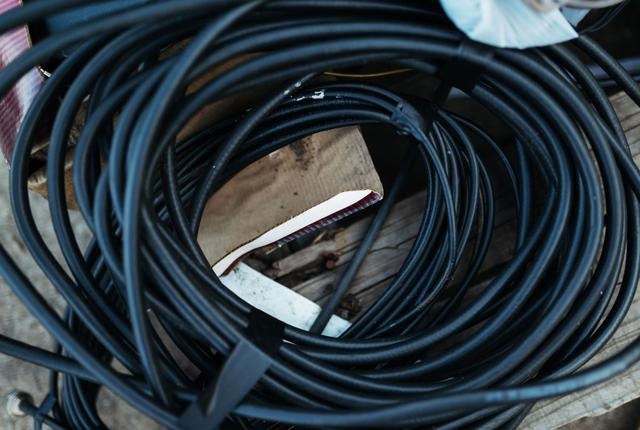
4. Termination and Testing: After the cables are installed, they are terminated at both ends and tested to ensure proper connectivity and functionality. Testing may involve checking for continuity, insulation resistance, and signal integrity to verify that the cables are installed correctly.
Chapter 5: Maintenance of Underground Control Cables
Proper maintenance is essential to ensure the continued reliability and performance of underground control cables. look what i found , testing, and preventive maintenance measures should be carried out to identify and address any issues before they escalate. Some common maintenance practices include:
1. Visual Inspections: Regular visual inspections of the cables and surrounding infrastructure can help identify signs of damage, corrosion, or wear. Any abnormalities should be investigated and addressed promptly to prevent further damage.
2. Testing: Periodic testing of underground control cables can help detect faults, degradation, or performance issues. Testing methods may include insulation resistance testing, continuity testing, and signal integrity testing to ensure the cables are functioning correctly.
3. Cable Marking and Documentation: Properly marking and documenting underground control cables can help in identifying and troubleshooting issues quickly. Cable markers, labels, and documentation should be updated regularly to reflect any changes or modifications.
4. Repair and Replacement: In case of damaged cables or components, prompt repair or replacement should be carried out to prevent disruptions to service. Repairs should be performed by qualified technicians following industry best practices and safety guidelines.
Chapter 6: Applications of Underground Control Cables
Underground control cables find a wide range of applications across various industries due to their reliability, durability, and versatility. Some of the common applications include:
1. Utilities: Underground control cables are used in power distribution networks, water and wastewater systems, and gas pipelines to transmit signals and power efficiently and safely.
2. Telecommunications: Communication cables are essential for telecommunications networks, internet infrastructure, and mobile communication systems, enabling fast and reliable data transmission.
3. Transportation: Control cables are used in traffic signal systems, railway signaling, and airport control systems to ensure safe and efficient operations.
4. Industrial Automation: Control cables play a vital role in industrial automation systems, robotics, and manufacturing processes by transmitting signals for control and monitoring.
Conclusion
In conclusion, underground control cables are an indispensable part of modern infrastructure, enabling efficient transmission of signals and power over long distances. The design, installation, maintenance, and applications of these cables are essential to ensure reliable performance and longevity. By understanding the intricacies of underground control cables and following best practices in their deployment and upkeep, we can continue to benefit from their hidden wonders in our daily lives.